Source Heavy Duty 5G Android Tablets for Logistics, Retail, and Field Work
Find and compare 30 rugged Android tablets designed for industrial environments. These devices feature 5G connectivity, high-performance processors, and durable builds suitable for logistics, retail, and field operations. Evaluate specifications like screen size, battery life, and scanning capabilities to find the right solution.
Key considerations
Products List


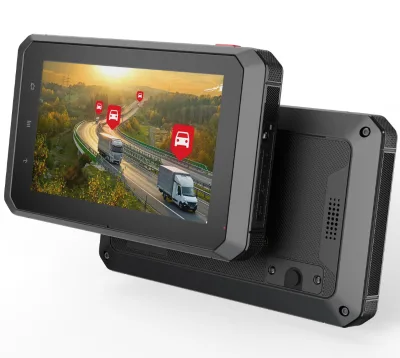


Comprehensive Sourcing Guide
Heavy Duty 5G Android Tablet Sourcing Guide
Procuring heavy-duty 5G Android tablets requires distinguishing between general rugged handhelds and devices specifically engineered for industrial connectivity. The observed market data indicates a strong presence of Android-based handheld computers featuring capacitive touch screens and octa-core processors, often designed for field operations. Buyers must verify that the specific unit supports 5G networks, as many listed models currently rely on 4G, 3G, and WiFi connectivity standards.
The physical form factor is critical for operational efficiency, with observed dimensions ranging from compact handheld scanners to larger 8-inch tablets. While some units are explicitly classified as bar-code scanners, others serve as general-purpose industrial computers with built-in Bluetooth and fingerprint sensors. Sourcing teams should prioritize devices that combine these rugged attributes with the necessary network capabilities to ensure seamless data transmission in remote or challenging environments.
Product Scope and Observed Listing Signals
The current product landscape includes handheld devices with screen sizes varying from 4.5 inches to 8 inches, often featuring high-resolution displays suitable for outdoor visibility. Listings frequently highlight customization options and specific packing methods like cartons with bubble protection, indicating a supply chain prepared for industrial shipping requirements. Buyers should scrutinize whether the listed screen size aligns with the intended application, as larger displays may impact portability while smaller ones might limit data entry efficiency.
Network capabilities vary significantly across the observed inventory, with some models supporting WiFi 5 and Bluetooth 5.0, while others list 4G and 3G modes. The presence of built-in microphones and stereo speakers suggests multimedia functionality, yet the absence of webcams on certain models indicates a focus on data capture rather than video conferencing. Procurement teams must confirm the exact network mode and interface types, such as USB-C or Type-C, to ensure compatibility with existing enterprise infrastructure and charging stations.
Technical Specifications to Verify
Processor performance is a primary consideration, with observed units utilizing octa-core MTK chips running at frequencies up to 2.0 GHz to handle demanding industrial applications. Memory configurations typically range from 6GB RAM paired with 128GB ROM, providing sufficient storage for complex applications and large datasets. Buyers should verify that the CPU architecture and clock speed meet the latency requirements of their specific software ecosystem, particularly for real-time scanning or data synchronization tasks.
Durability and interface standards are equally vital, with many devices boasting waterproof, drop-resistant, and anti-dust features alongside capacitive touch screens. The physical dimensions and weight, such as the 172mm length or 0.7kg weight observed in specific models, directly influence operator fatigue during extended shifts. It is essential to confirm the exact protection level and charging interface, ensuring the device can withstand harsh conditions while maintaining reliable power connectivity through USB-C ports.
Compliance and Safety Documentation
Regulatory compliance is a non-negotiable aspect of sourcing, with observed products frequently carrying CCC and FCC certifications to meet regional safety standards. These certifications indicate that the device has undergone testing for electromagnetic compatibility and electrical safety, which is crucial for deployment in regulated industrial environments. Procurement teams must request valid certification documents for every batch to ensure that the devices meet the legal requirements of the destination market before installation.
Safety documentation also extends to the physical construction of the device, including the protection level of the screen and the durability of the casing. While some listings mention specific standards like 172mm dimensions, the actual protection against water and dust ingress must be verified against international IP ratings. Buyers should ensure that the supplier provides clear documentation regarding the device's resistance to drops and environmental factors to mitigate the risk of premature failure in the field.
Cost Drivers and Commercial Terms
Pricing for these rugged devices varies widely, with observed ranges spanning from 38 to 610 USD, reflecting differences in screen size, network capabilities, and processing power. The minimum order quantity (MOQ) typically ranges from 1 to 100 units, allowing flexibility for both pilot programs and large-scale deployments. Buyers should analyze the cost per unit relative to the specific features required, avoiding over-specification that drives up costs without adding operational value.
Commercial terms such as lead times and packing specifications significantly impact the total cost of ownership and supply chain reliability. Observed packing methods include cartons with bubble protection or standard boxes, which influence shipping costs and the risk of damage during transit. Procurement teams must negotiate clear terms regarding delivery schedules and packaging standards to ensure that the devices arrive in optimal condition and on time for critical operational rollouts.
Supplier Qualification and Quality Control
Supplier qualification should focus on the manufacturer's ability to provide consistent quality control and after-sales support, particularly for devices with complex features like fingerprint sensors and 5G connectivity. The origin of the products, often listed as Guangdong or Dongguan in China, suggests a concentrated manufacturing hub with established supply chains for electronic components. Buyers should verify the supplier's track record in producing industrial-grade equipment and their capacity to handle customization requests for specific enterprise needs.
Quality control processes must include rigorous testing of network stability, battery life, and physical durability to ensure the devices meet the harsh demands of industrial use. The presence of built-in features like card readers and stylus support adds layers of complexity that require thorough validation before mass deployment. Procurement teams should implement a sampling protocol to test a representative batch of devices against the claimed specifications, ensuring that the final product matches the observed performance metrics.
Long-Term Procurement Checks
Long-term procurement success depends on establishing a reliable warranty framework, with observed products typically offering a one-year warranty period. This coverage should explicitly include hardware failures related to the screen, battery, and internal components, ensuring that the buyer is protected against manufacturing defects. It is crucial to clarify the terms of the warranty, including the process for repairs or replacements, to minimize downtime during critical operations.
Future-proofing the procurement strategy involves monitoring the evolution of network standards and software support for the Android operating system. As 5G technology matures, buyers should ensure that the selected devices can receive software updates and remain compatible with emerging enterprise applications. Regular reviews of the supplier's product roadmap and the device's lifecycle support will help maintain a robust and adaptable technology stack for the organization.
FAQs
What are the key specifications of the T80s rugged Android tablet?
The T80s is a handheld computer featuring an 8-inch capacitive screen and Android OS. It includes built-in Bluetooth, a fingerprint sensor, and supports network scanning. The device is designed for industrial use with a robust build, offering reliable performance for barcode scanning and data collection tasks in demanding environments.
Can the D801 tablet support stylus input and card reading?
Yes, the D801 tablet supports stylus input and includes a built-in card reader. It features an Octa-Core MTK CPU running at 2.0 GHz with 6GB RAM and 128GB ROM. The device also offers WiFi 5, Bluetooth 5.0, and a 1200x1920 display resolution for enhanced productivity.
Which certifications are available for the KP 12D 4G tablet?
The KP 12D 4G tablet holds both FCC and CCC certifications. It is manufactured in Dongguan, China, and weighs 0.7kg. The device supports 4G, 3G, and WiFi networks, making it suitable for industrial applications requiring reliable connectivity and compliance with international standards for electronic equipment.
What is the warranty period for these rugged Android tablets?
The warranty period for these rugged Android tablets is 1 year. This coverage ensures reliability for industrial handheld computer equipment. Buyers can expect support for devices featuring USB interfaces, network scanning capabilities, and durable designs suitable for harsh environments, providing peace of mind for long-term operational use.
How does the KP 12D 4G handle network connectivity?
The KP 12D 4G handles network connectivity through WiFi, 4G, and 3G modes. It supports network scanning and features a front camera with more than 3MP resolution. The tablet is designed for industrial use, ensuring stable connections and efficient data transmission in various operational scenarios across different environments.
What is the screen resolution of the D801 Android tablet?
The D801 Android tablet features a display resolution of 1200x1920 pixels. It has an 8-inch capacitive screen that supports stylus input. The device is powered by an Octa-Core MTK CPU and includes 6GB of RAM, providing smooth performance for industrial applications and multitasking requirements.